
Rose oud perfume is the pairing of two of perfumery’s most powerful natural materials: the deep, resinous warmth of oud and the fresh, layered sweetness of rose. It is one of the oldest and most loved combinations in fragrance, especially across the Middle East, and it endures for a simple reason. Rose lifts the heavier, animalic side of oud and adds a bright floral top, while oud gives rose a depth and staying power it could never reach alone. The two are opposites that complete each other.
If you have searched for a rose oud perfume and found mostly heavy, alcohol-based sprays, this guide is for you. Below is why the pairing works, how to wear it well, and how to find a natural, alcohol-free version that lets both notes breathe. At YOUDH we make oud as a pure oil, and rose sits at the heart of our lighter blend, so this is a pairing we know closely.
Rose and oud work because each fixes what the other lacks. On its own, oud can be intense: smoky, woody and openly animalic in its first minutes. Rose softens that opening, lifting the heavier facets and laying a fresh, floral brightness over the wood. In return, oud anchors rose, which on its own is delicate and fleeting, giving it a resinous base and the longevity to last a full day. The result is a scent that feels both rich and radiant at once.
This balance is why rose oud, or oud rose as it is also known, has been central to Khaleeji and Gulf perfumery for centuries. It is the classic partnership of a floral and a wood, refined over generations into one of the most recognisable signatures in fragrance. Whether it leans darker or brighter depends on the type of rose and the origin of the oud.
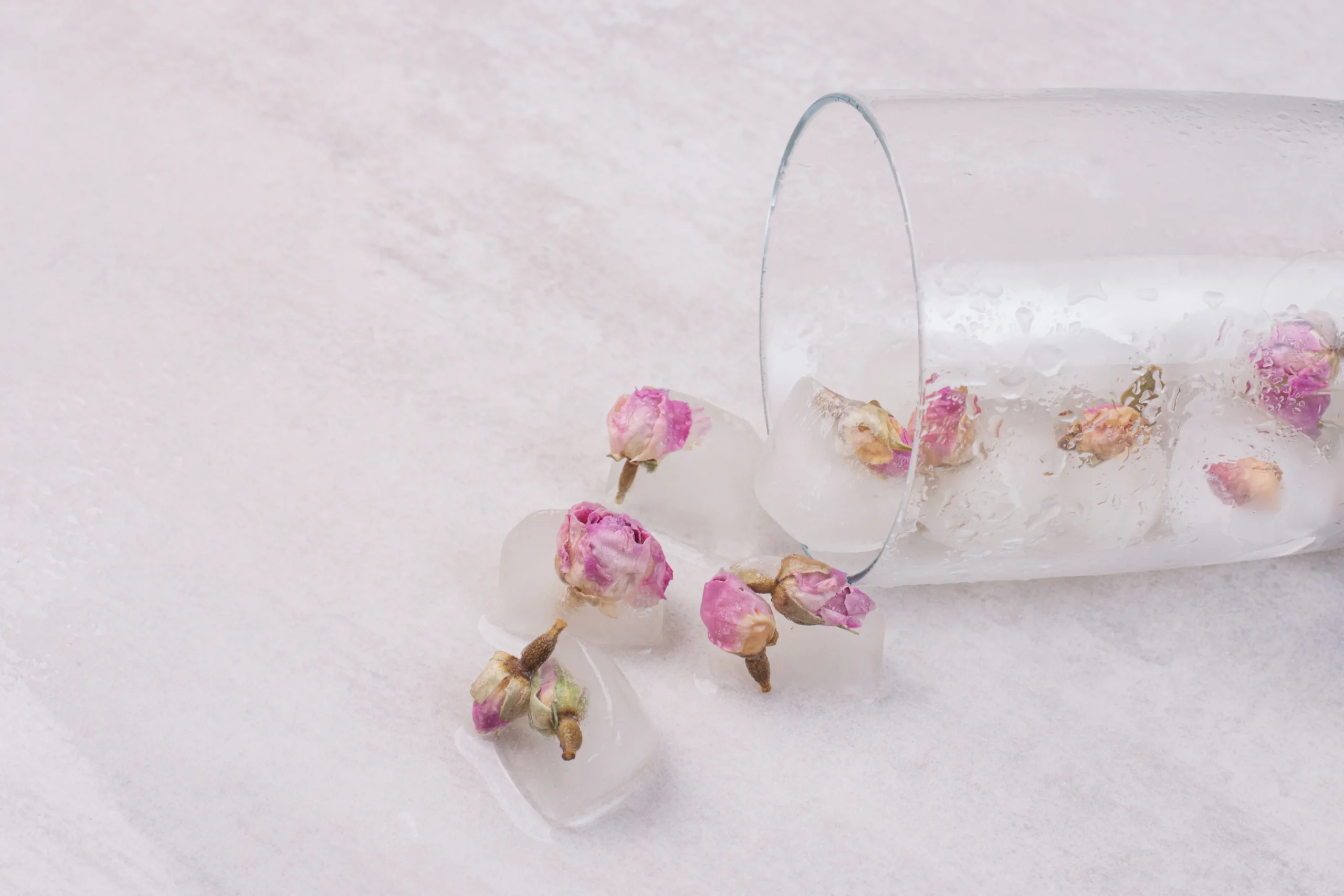
Most rose oud perfume is built on one of two roses: Damask rose, often called rose damascena, and Bulgarian rose, prized for its lush, honeyed depth. Damask rose brings a jammy, slightly spicy warmth that stands up well to oud, while Bulgarian rose adds a softer, dewier sweetness. Some blends use Taif rose from Saudi Arabia, a rare and highly prized variety grown close to the traditional heart of oud culture.
What matters for wear is that the rose is natural rather than a synthetic rose accord. A real rose oil carries dozens of facets, from citrus to honey to green stem, which is what lets it fold cleanly into oud rather than sitting on top of it. A flat synthetic rose tends to smell sharp or soapy against the depth of real agarwood, which is one reason cheaper rose oud can feel unbalanced.
The oud half of the pairing is agarwood, the fragrant resin that forms inside Aquilaria trees when they react to a specific mould. Because so few trees ever produce it, Aquilaria and related species are listed on CITES Appendix II, the international agreement controlling trade in vulnerable species. That rarity is why genuine oud, and genuine rose oud perfume, is treated as a precious material and blended a drop at a time.
The origin of the oud shapes the pairing. A deep, animalic Indian oud makes a darker, more dramatic rose oud, the style most associated with traditional Gulf perfumery. A lighter, greener oud from Malaysia or Borneo makes a fresher, more modern rose oud that is easier to wear in the day. Neither is more correct; they are simply two ends of the same classic idea.
Wear rose oud on warm pulse points and let it develop slowly. Apply a small amount to the wrists, the base of the throat and behind the ears, where the skin’s heat opens the oud and carries the rose. If you are wearing an oil rather than a spray, press rather than rub, so you do not break up the delicate floral top before it has had a chance to bloom.
Rose oud suits evenings, cooler months and occasions, though a lighter, rose-forward blend works well in the daytime too. It is a natural choice for weddings and celebrations, which is part of its long association with Gulf hospitality and gift-giving. As a gift it is hard to beat: it feels personal and considered, and the rose makes an otherwise serious oud feel warm and approachable.
Look for a rose oud built on real oud oil and natural rose, worn as an oil rather than an alcohol spray. Alcohol-based rose oud opens loudly then thins out within a couple of hours, and the alcohol can flatten the subtler facets of the rose. A natural oil sits closer to the skin, releases slowly, and lets the rose and oud unfold together over the day. It is also kinder to sensitive skin, since there is no drying alcohol involved.
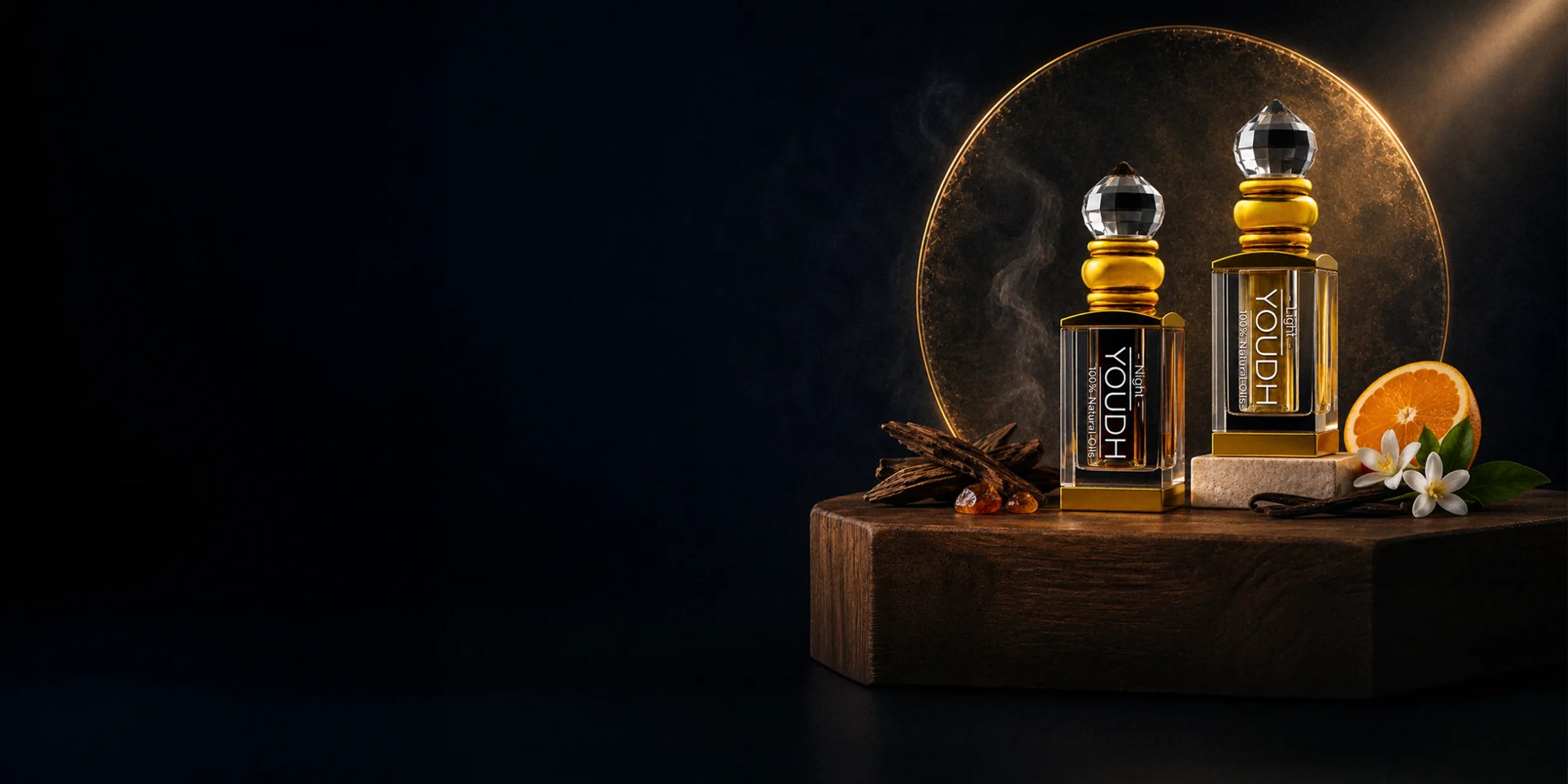
YOUDH does not currently make a dedicated rose oud, but rose sits at the heart of YOUDH Light, which blends natural rose oil with orange blossom, vanilla and agarwood oud for a soft, floral, daytime scent. Every YOUDH oil is 100% natural, alcohol-free, hypoallergenic and blended in the UK. To explore the range, browse the natural, alcohol-free oud collection, or read our oud scent guide to understand how rose and other notes shape an oud.
Rose oud endures because it solves a real problem: it makes oud radiant and makes rose last. Whether you want a dark, dramatic version for the evening or a soft, rose-forward oil for the day, the key is the same, real oud, natural rose, and a format that lets both notes breathe. Worn that way, rose oud is one of the great classic pairings in perfumery, and an easy one to fall for.
Oud perfume oil is easy to overdo if you’re used to alcohol sprays, since a little covers far more ground than it looks like it will. Two to three drops on warm pulse points is enough for most…
You spend months developing a scent, sourcing oud oil, testing blends, and getting the packaging right. Then you book a weekend pop-up to finally let people smell it in person, and the thing nobody…
Oud oil generally lasts longer on skin than an alcohol-based spray, often six to ten hours compared with four to six. That comes down to one thing: oil evaporates far more slowly than alcohol. Sprays…
Alcohol in perfume is one of the most common questions Muslim fragrance buyers ask, more than any question about oud itself. This guide explains why that question comes up, what wudu and prayer…
Rose oud perfume is the pairing of two of perfumery’s most powerful natural materials: the deep, resinous warmth of oud and the fresh, layered sweetness of rose. It is one of the oldest and…
You spray a designer oud, catch a rich opening, and by lunchtime it has all but vanished. That fade is not bad luck. It is chemistry. Most oud you buy on the high street is an oud perfume: a small…
What Is Attar? The Complete Guide to Traditional Perfume Oil Attar is one of the oldest continuously used perfume traditions in the world. For over a thousand years, attar has been the foundation of…
Walk into any traditional perfume shop in the Gulf and you will find rows of small bottles labelled mukhallat. The word covers a category of fragrance that has shaped Arab perfumery for centuries,…
You light your first oud incense cone, expect a deep warm scent to fill the room, and instead get a sharp synthetic smoke that fades in ten minutes. The problem is not your technique. Most so-called…