
Oud smells warm, woody and resinous, with a layer of smoke, sweetness and a quiet animalic depth underneath. The exact profile depends on the Aquilaria species and how the resin has aged, but on skin it typically opens sharp and smoky, then settles into a soft, musky sweetness over several hours.
That evolution is the whole point of oud. Wear it once and you get four or five distinct phases from a single drop, which is part of why it has been worn across the Middle East, South Asia and North Africa for centuries and why it now anchors some of the biggest names in Western perfumery. This guide breaks the smell down into its component notes, walks through how it shifts across a full day, and explains why the oud in a small-batch natural blend rarely smells like the oud in a mass-market spray. If you’re still working out what oud actually is before getting into the smell itself, start there and come back.
Every oud, regardless of origin, sits somewhere across four core note families. Most blends lean into two or three at once, which is why no two ouds smell quite the same.
Oud is not a static smell. A single application moves through distinct phases, and knowing what to expect at each stage stops the sharp opening from being mistaken for the finished scent.
| Time | What you’ll notice |
| 0–15 min | Sharp, smoky and resinous. This is the raw top note, and it’s the strongest and least representative part of the scent. |
| 15 min–1 hr | The smoke softens and the wood rounds out. The scent starts to feel warmer and less raw. |
| 1–4 hrs | The heart phase. Musky sweetness takes over and the scent sits close to the skin rather than projecting outward. |
| 4–8 hrs | The dry-down. A soft, warm, intimate skin scent with a faint sweetness that lingers, often noticed most by the wearer rather than people nearby. |
Most oud encountered on the high street is not oud in the traditional sense. It’s a synthetic “oud accord”, a lab-built combination of aroma molecules designed to approximate the smell without using agarwood at all. The two are related but not identical.
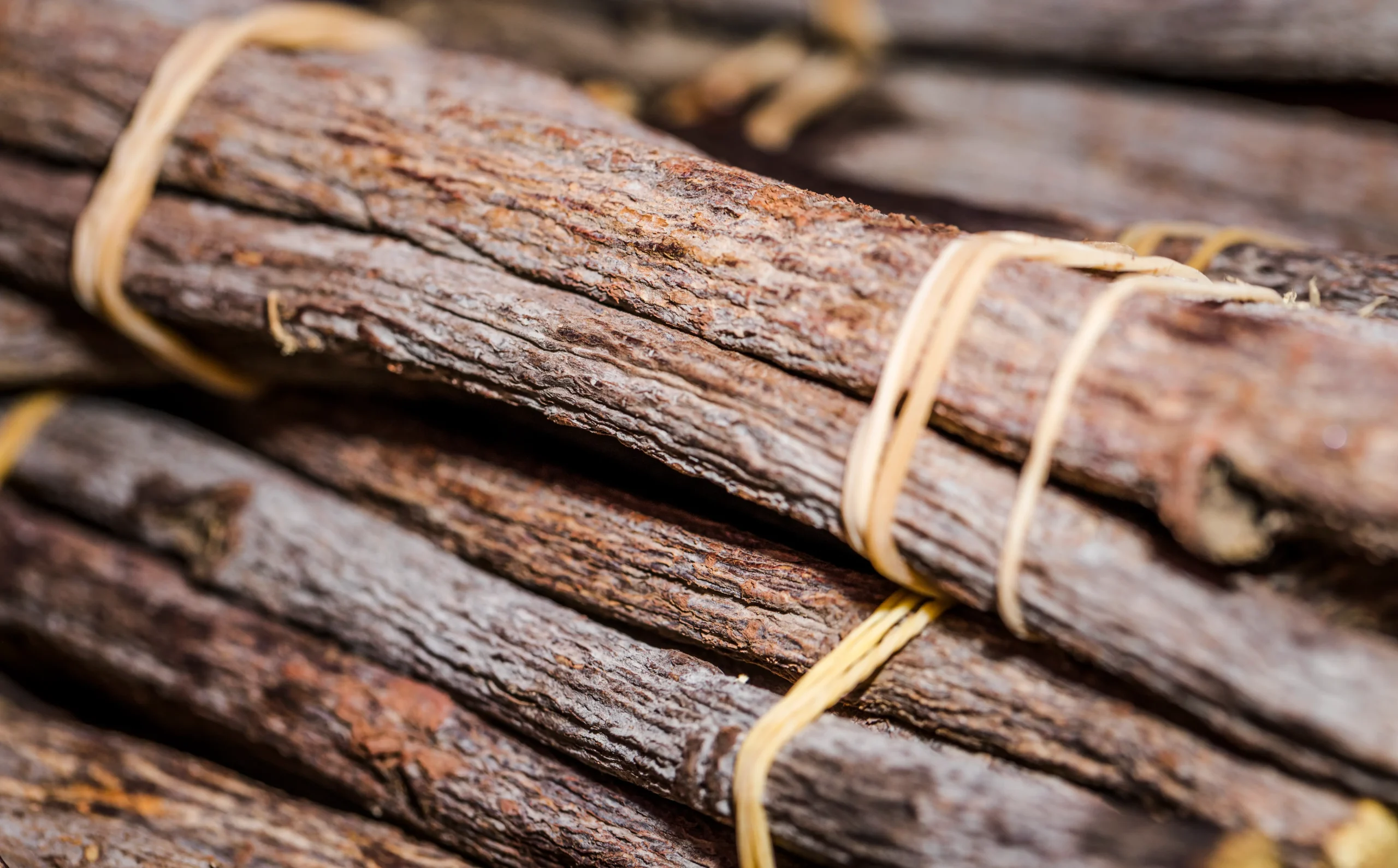
Real oud oil is distilled from the resin-soaked heartwood of the Aquilaria tree, which produces the resin as a defence response once infected by a specific mould. That resin carries the tree’s own chemical complexity, which is why natural oud moves through the note families above instead of sitting on one loud, smoky-sweet note for the whole wear. Synthetic oud accords are built to be consistent and strong from spray to dry-down, which tends to read as louder and flatter over time. Read the full breakdown of how oud oil is actually made for more on the distillation process.
Alcohol changes the outcome too. Alcohol-based sprays push the top notes out fast, then evaporate, taking a share of the scent with them. YOUDH’s oud is blended without alcohol, in a light carrier oil, so the resin’s own note families get the time to develop on skin instead of being rushed and dispersed early.
Both YOUDH formats start from the same natural oud oil. The difference is in how much of that darker register they let through.
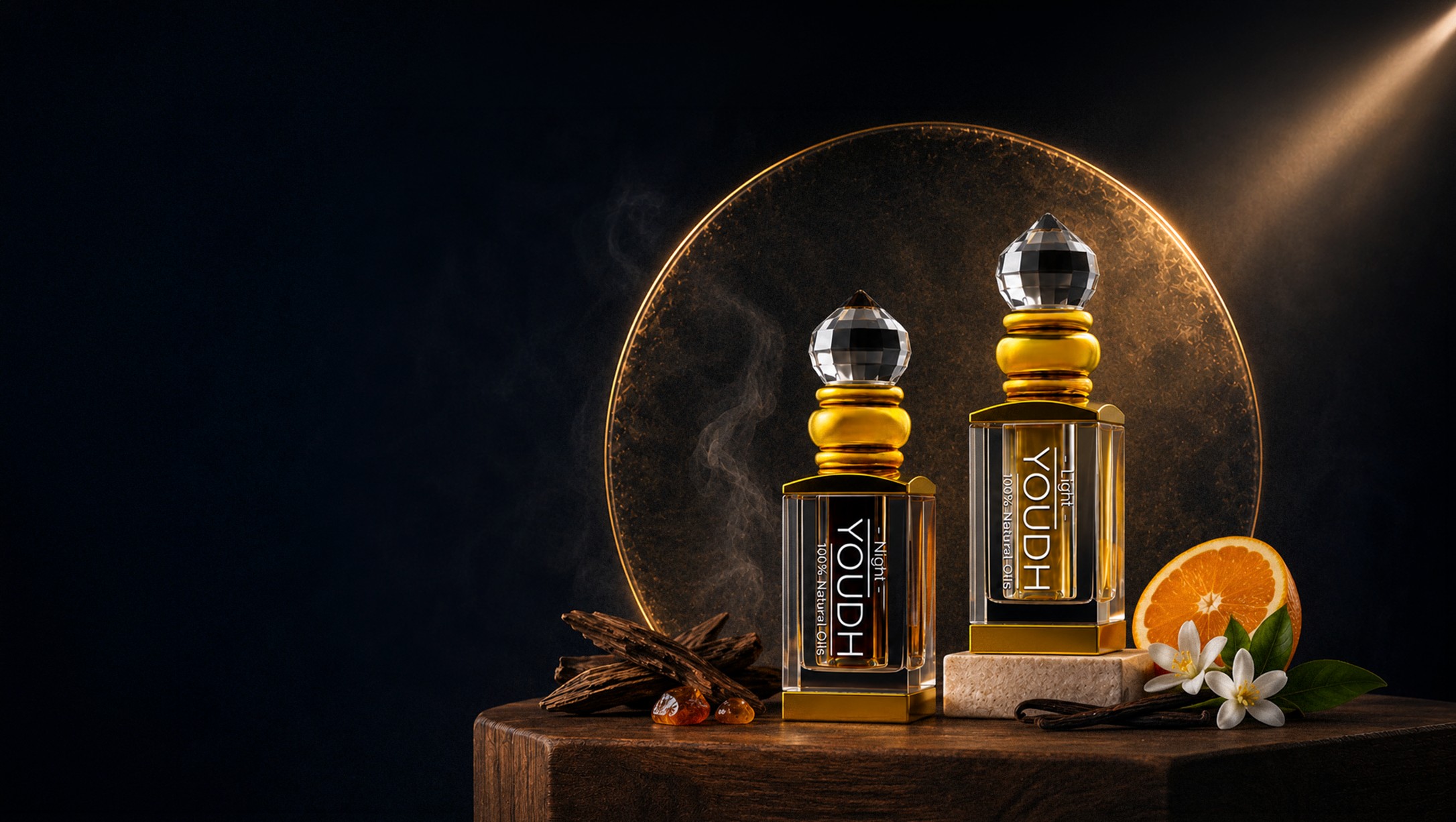
YOUDH Night sits deep, woody, musky and amber, with a resinous backbone that stays close to the skin for hours. It’s the fuller expression of oud, closest to what most people picture when they imagine the scent, and it suits evenings, colder weather and anyone who already knows they like oud’s darker side.
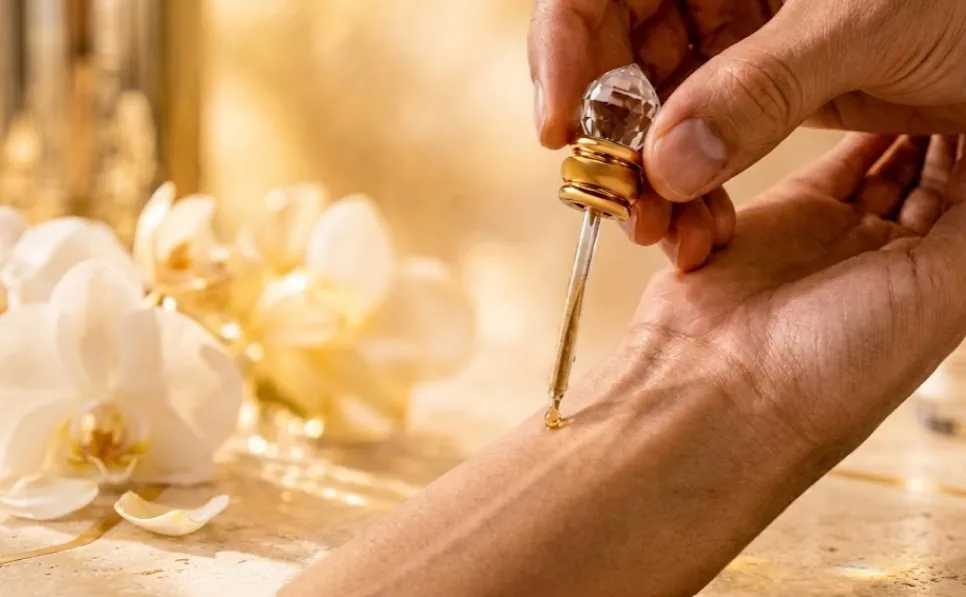
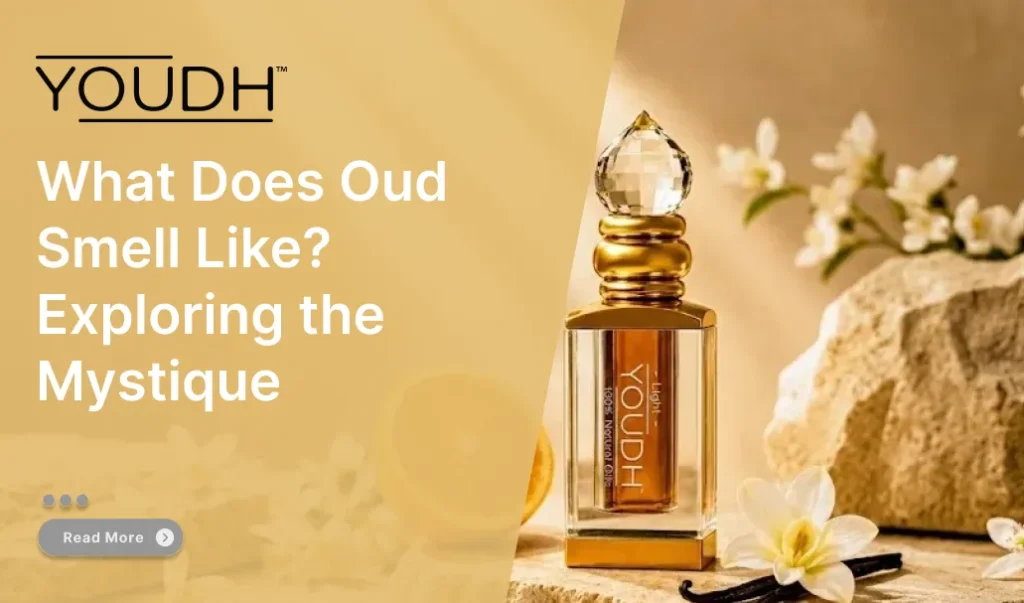
YOUDH Light opens with citrus and orange blossom, softened by rose and a trace of vanilla, layered over a lighter oud base. It keeps the warmth of real oud without the full smoky intensity, which makes it a more forgiving starting point if you’re new to the note family or want something for daytime.
Neither formula uses alcohol, synthetic fragrance oils or common allergens: both are 100% natural, pH-balanced and hypoallergenic, blended in small batches in the UK.
The only reliable way to know how oud will sit on your own skin is to wear it, since body chemistry shifts the balance of the note families more than almost any other fragrance ingredient. Both YOUDH Night and YOUDH Light come in a 3ml roller, enough for several months of daily wear from a few drops per application. Explore the full YOUDH oud perfume range to compare both side by side. Orders over £40 ship free within the UK; YOUDH does not currently ship internationally.


Alcohol in perfume is one of the most common questions Muslim fragrance buyers ask, more than any question about oud itself. This guide explains why that question comes up, what wudu and prayer…
Rose oud perfume is the pairing of two of perfumery’s most powerful natural materials: the deep, resinous warmth of oud and the fresh, layered sweetness of rose. It is one of the oldest and…
You spray a designer oud, catch a rich opening, and by lunchtime it has all but vanished. That fade is not bad luck. It is chemistry. Most oud you buy on the high street is an oud perfume: a small…
What Is Attar? The Complete Guide to Traditional Perfume Oil Attar is one of the oldest continuously used perfume traditions in the world. For over a thousand years, attar has been the foundation of…
Walk into any traditional perfume shop in the Gulf and you will find rows of small bottles labelled mukhallat. The word covers a category of fragrance that has shaped Arab perfumery for centuries,…
You light your first oud incense cone, expect a deep warm scent to fill the room, and instead get a sharp synthetic smoke that fades in ten minutes. The problem is not your technique. Most so-called…
Oud wood is the rarest fragrant wood in the world. A single kilogram can cost more than gold. Agarwood has been burned in homes across the Middle East, India, and Southeast Asia for over a thousand…
Can females wear oud? The short answer is yes, absolutely, and they have been doing so for over a thousand years. Can females wear oud the same way men do? Yes, with the same application techniques…
The best oud perfume for women has nothing to do with whether oud is masculine or feminine. Oud has been worn by women across the Middle East, South Asia, and North Africa for over a thousand years,…